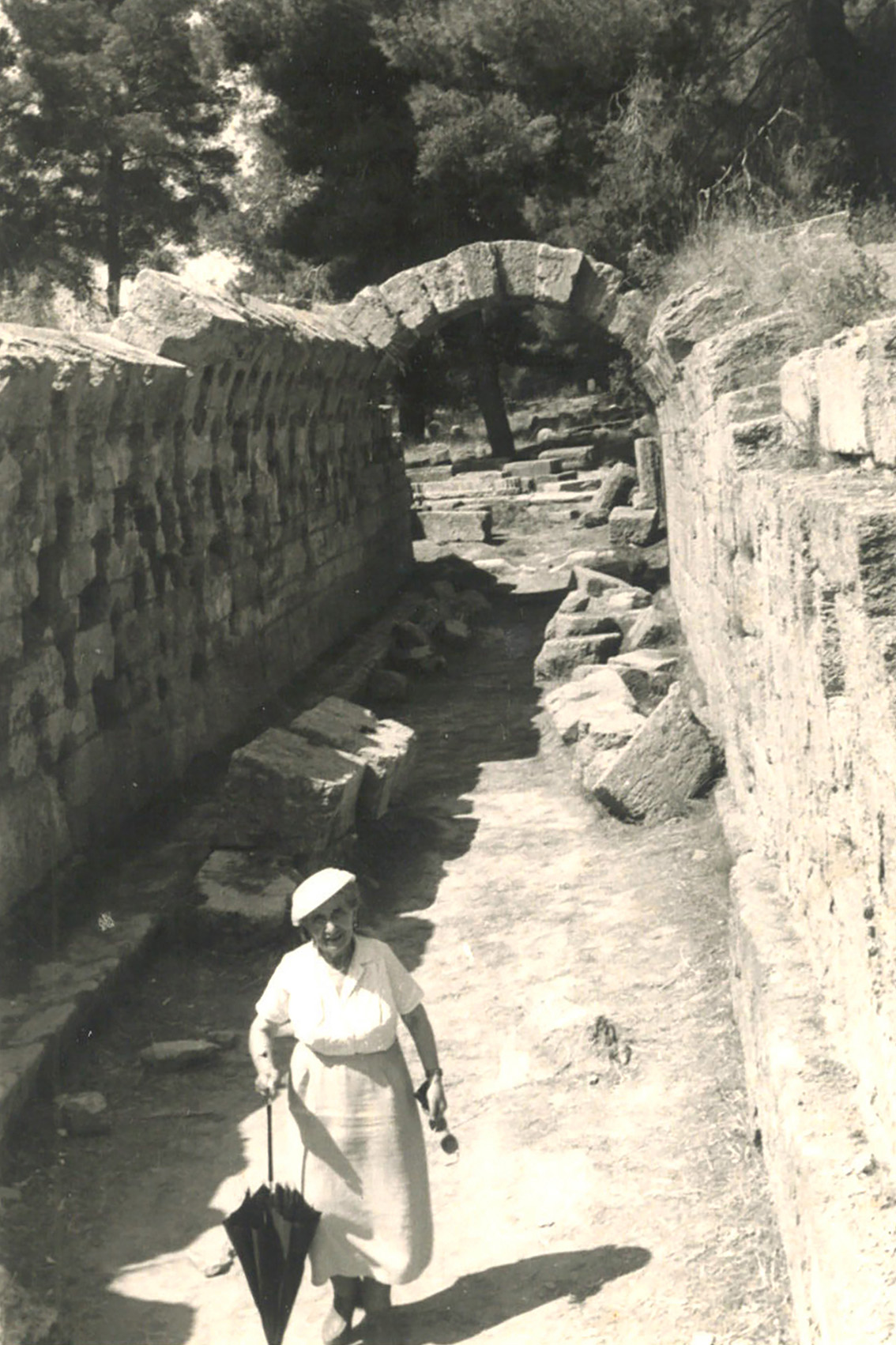
The photographic project “Costanza” was born from the desire to rediscover an extraordinary figure from my family
and from twentieth-century Italian culture: Costanza Lorenzetti. A nonconformist art historian,
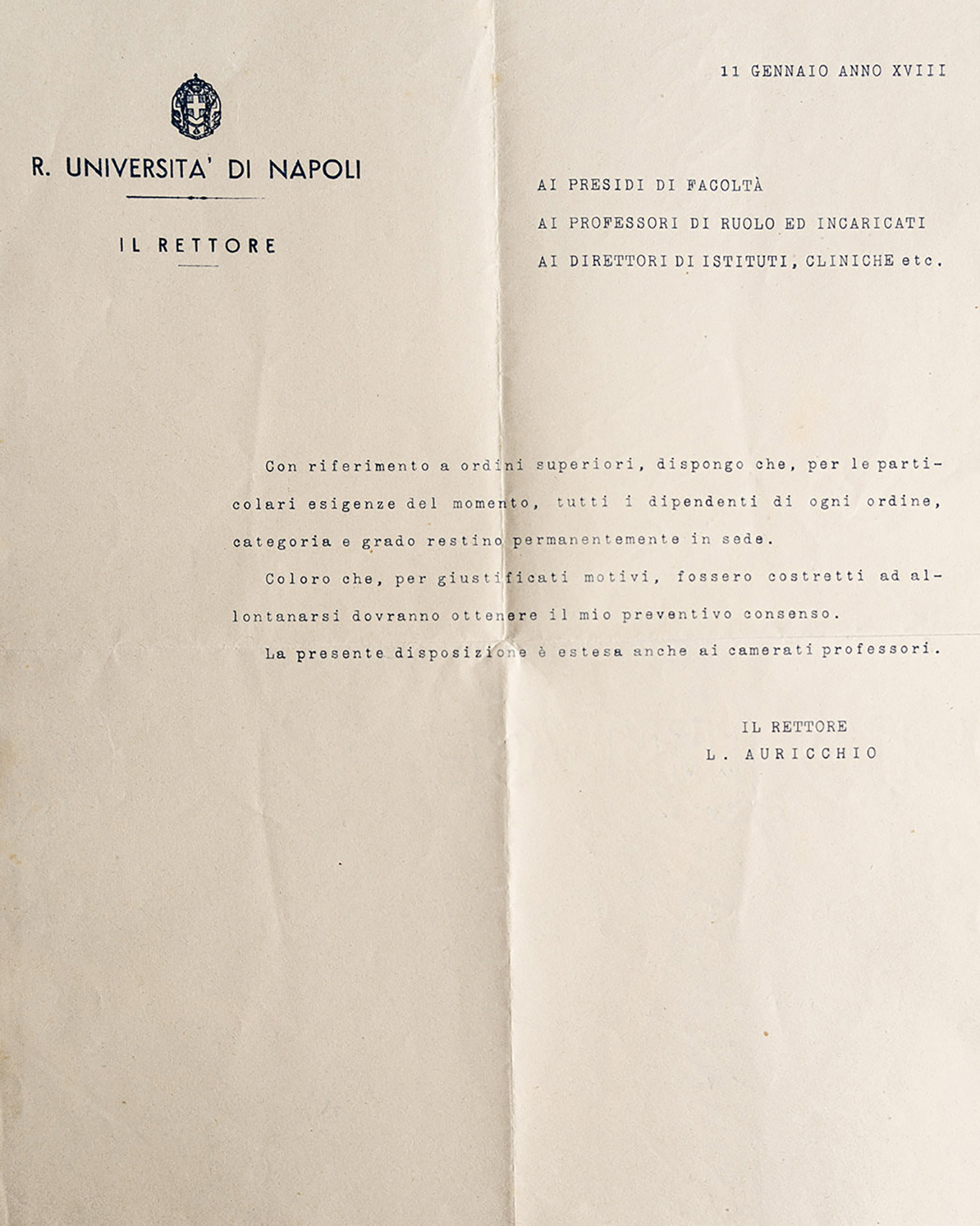
she was a woman capable of challenging the rigid boundaries imposed by the Fascist regime, managing to emerge
in an era that relegated women to marginal roles.
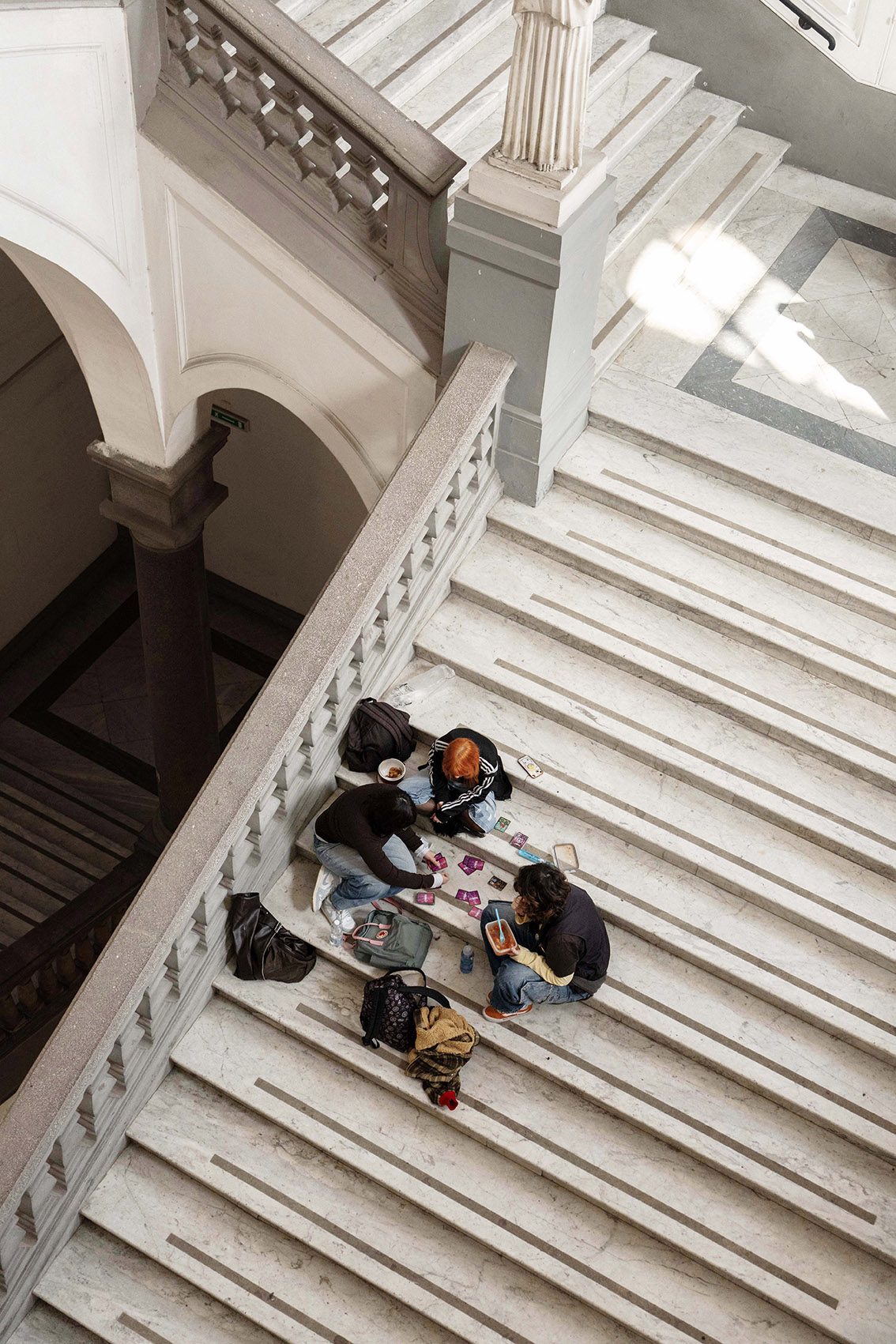
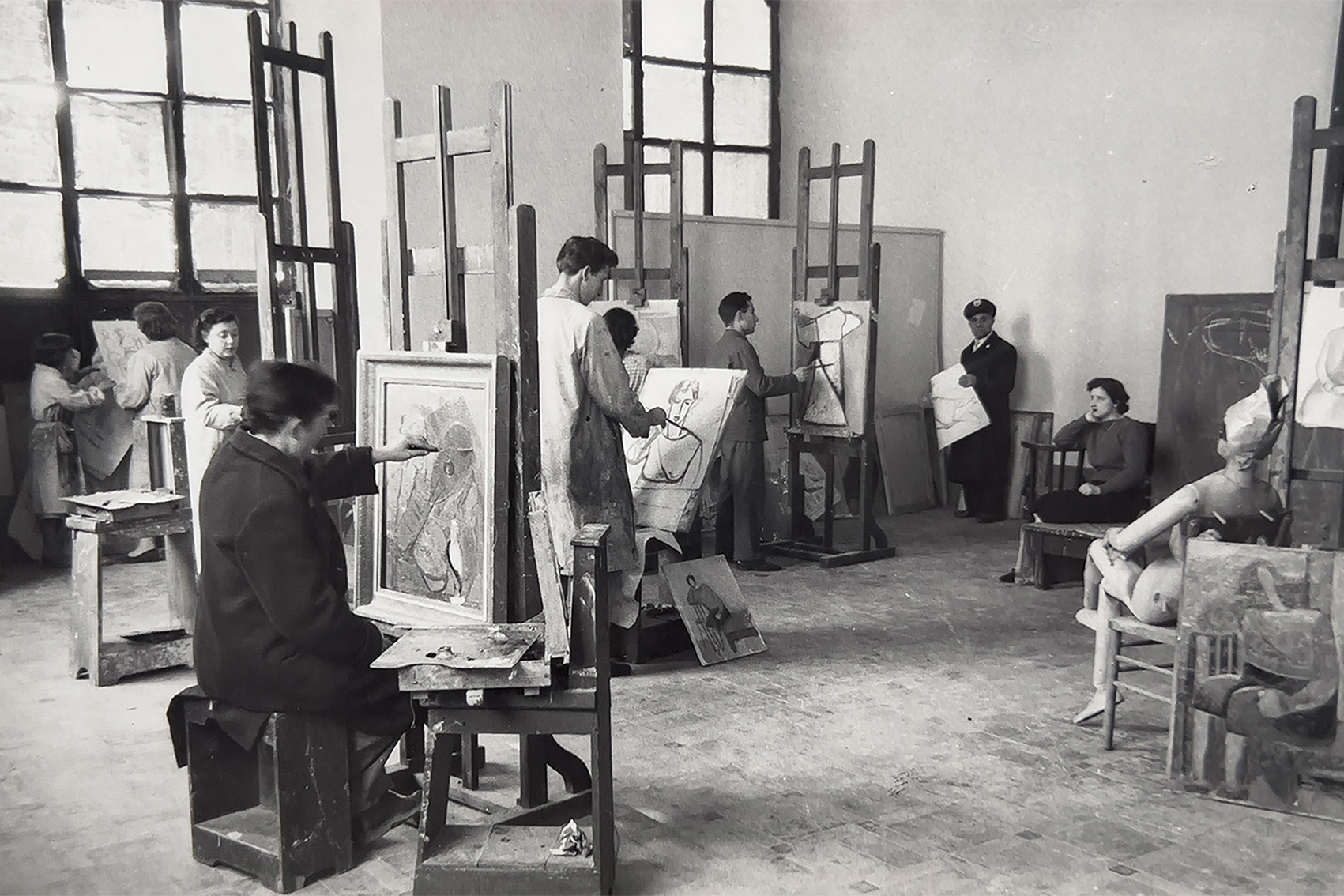
In 1921, Costanza made history by becoming the first woman to hold a professorship at the Academy of Fine Arts in Naples.
But her contribution was not only academic; she had the revolutionary insight of breaking down traditional art history teaching
by introducing photography as a fundamental educational tool. A legacy that, as a photographer, I feel deeply connected to.
I never had the privilege of meeting her in person, yet I feel a very strong bond with her.
Costanza was a proud and independent woman: she consciously chose to renounce domestic conventions and the expectations
of her time in order to devote herself entirely to teaching and research. Her life was an act of silent but powerful resistance.
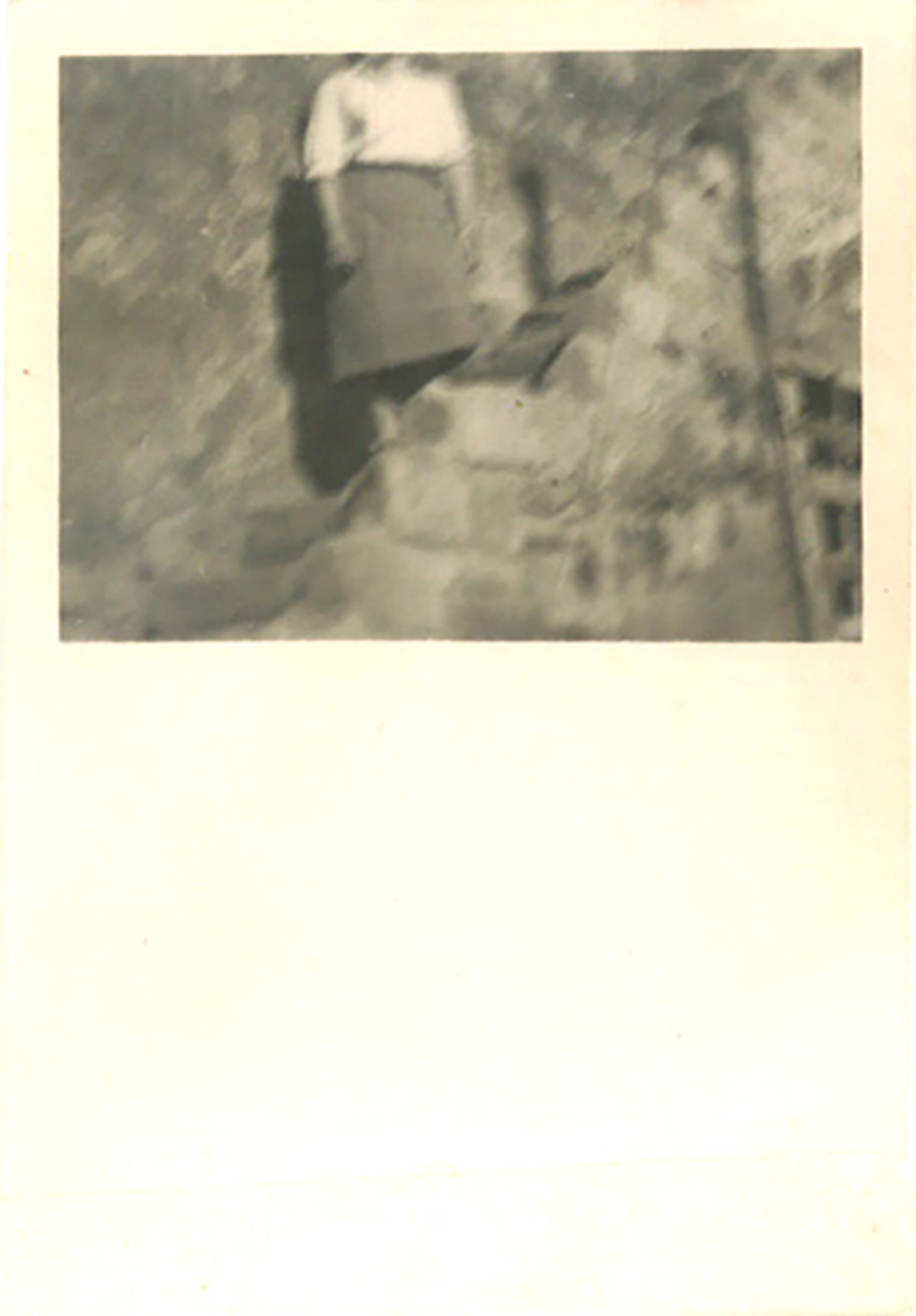
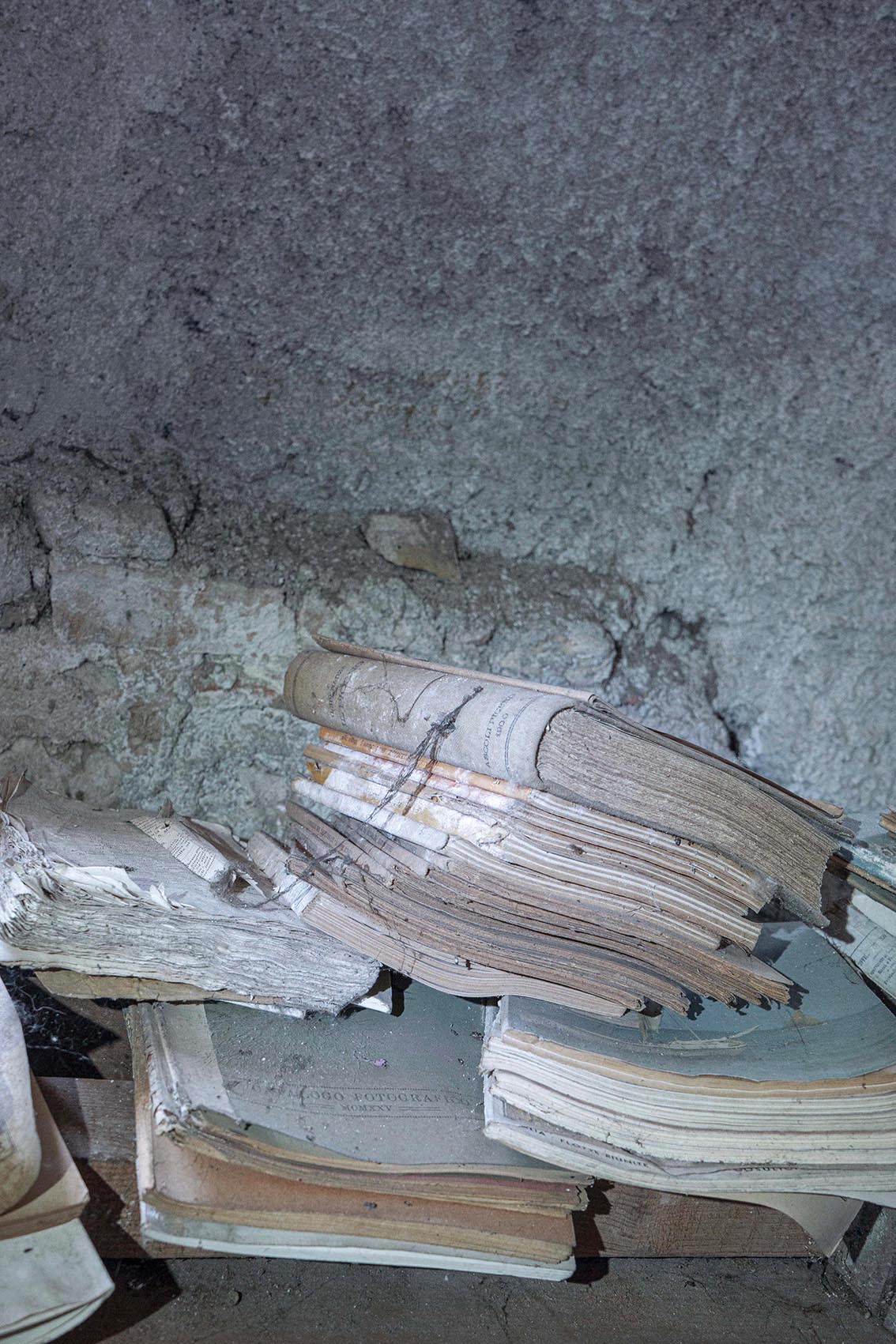
My visual research came to life by chance, among papers and images from her archive, forgotten in an attic
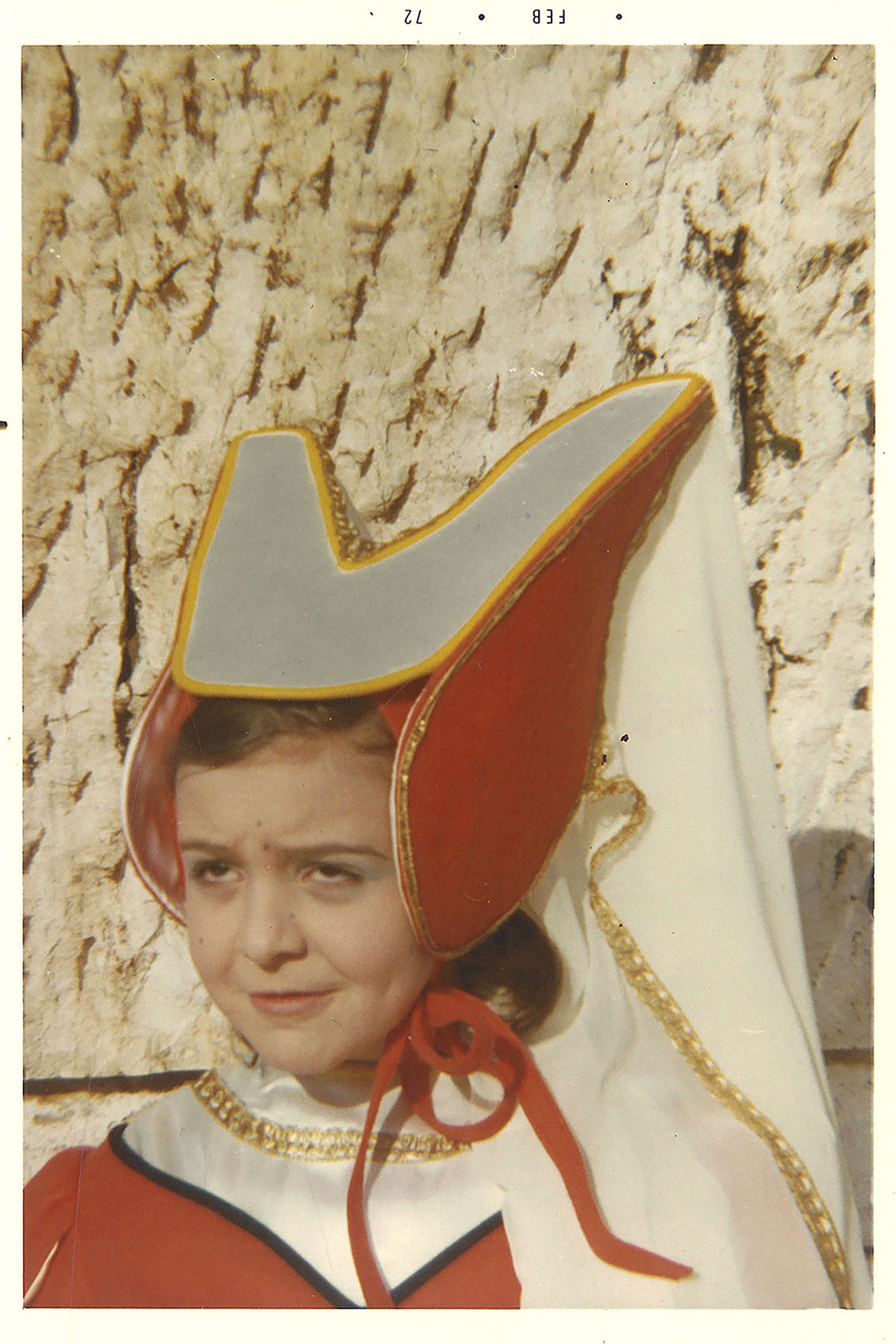
and belonging to a person I still knew nothing about. Those photographs don’t only tell the story of her career,
but also open a window onto the era in which she lived, revealing the influence of a woman
who changed the way art was studied in Italy, while remaining in the shadows for far too long.
Reconstructing and reinterpreting Costanza’s legacy has allowed me to better understand my family and, in turn, myself.
Celebrating her legacy is a vital act for me: it means bringing light to those female figures obscured by a history
almost always written by men, and remembering how her model of emancipation is still incredibly relevant today.
2024 – ongoing